
Choosing a trail camera depends on how often you want to visit the site and whether you need instant alerts on your phone. While some models use cellular networks to send photos to an app, others store files locally on an SD card for manual retrieval. These models differ primarily in their power management, connectivity options, and how they handle night vision.
Best overall: GardePro E5S, which balances a fast 0.1s trigger speed with high-resolution 1296P video, making it a reliable choice for most outdoor monitoring needs. Best for field access: Meidase P300 Pro, which includes a pre-installed 64GB SD card and allows you to download footage via its direct Wi-Fi app. Best for remote monitoring: Tactacam REVEAL X 3.0, which uses cellular connectivity to send images to your phone, removing the need to visit the camera to check footage.
This guide is for anyone looking to monitor wildlife or property without spending time on complex setups.
How We Picked
We compared 48 different trail camera listings to find the most practical options for various needs. To earn a place here, a camera had to clearly state its trigger speed, power requirements, and resolution capabilities in its listing. We prioritized models that include clear specifications for storage and weather resistance, as these features determine how well a unit performs in the field. Products that lacked clear technical data or failed to outline their primary power source were excluded from our final selection.
1. GardePro E5S Non-Cellular Trail Camera

Best for: General wildlife and trail monitoring.
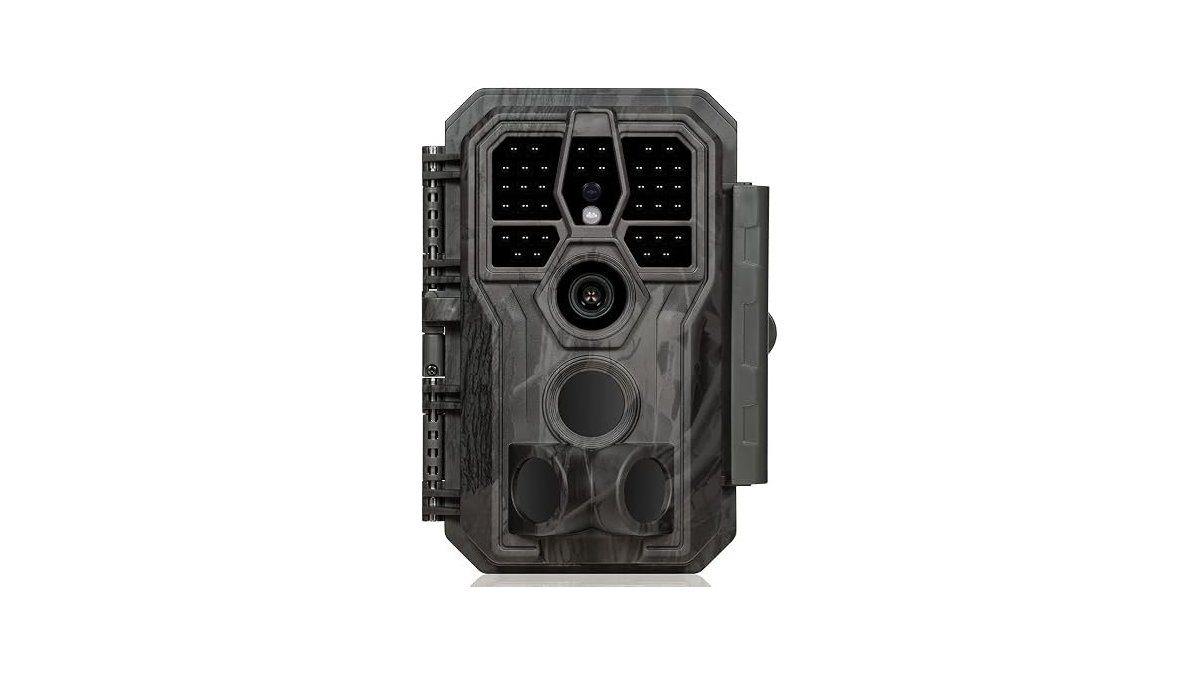
The GardePro E5S uses three PIR sensors to achieve a 0.1s trigger speed, which helps ensure you capture fast-moving animals as they enter the frame. It records 1296P HD video and 64MP photos, providing a high level of detail for scouting. Because it’s a non-cellular, non-Wi-Fi model, it consumes very little power, which often leads to fewer battery changes during long deployments.
The E5S supports the GardePro SP350 Solar Panel for continuous outdoor use. For standard setups, remember that the device requires 8 AA batteries and a standard-size SD card, neither of which are included in the box.
The unit is built with an IP66 waterproof rating. Use the 1/4″-20 mounting thread to secure it firmly to trees or fence posts. This model isn’t for someone who wants to view photos remotely, as you must physically visit the camera to retrieve the card. Choose between Motion Detection, Time-Lapse, or Hybrid modes based on your specific scouting goals. If you prioritize long-term storage, the camera supports SD cards up to 512GB with loop recording enabled.
Pros
- Fast 0.1s motion-activated trigger.
- High-resolution 1296P video capture.
- Durable IP66 waterproof housing.
Cons
- Batteries and SD card not included.
2. Meidase P70

Best for: High-detail nighttime wildlife photography.
The Meidase P70 features an f/1.6 aperture lens and 940nm no-glow LEDs, which allow for clear night vision up to 100 feet without alerting animals. It uses H.264 compression to keep video files smaller, making it easier to view your footage on the built-in 2.4-inch color display. The camera is designed for simple, manual retrieval of data.
The 0.1s trigger speed is designed to capture fast-moving subjects. Use this model if you prioritize image clarity over remote connectivity. If you need a camera that sends alerts to your phone, this isn’t the right pick, as it relies entirely on local storage.
For long-term deployment, pair the unit with the Meidase SP350 solar panel. If you choose not to use solar, keep eight AA batteries on hand as a reliable backup power source.
Pros
- Large 100ft no-glow night range.
- Quick H.264 video compression.
- Easy-to-use 2.4-inch display.
- Rapid 0.1s trigger speed.
Cons
- Requires physical card retrieval.
- No cellular or Wi-Fi connectivity.
3. Tactacam REVEAL X 3.0 Cellular Trail Camera

Best for: Remote landowners and property security.
The Tactacam REVEAL X 3.0 stands out because it connects to cellular networks, sending photos directly to an app on your phone. It uses an auto-connect feature to switch between AT&T and Verizon towers. This eliminates dead zones common with single-network devices. Because the SIM is pre-installed and the antenna is built-in, most users are live in under 10 minutes.
With built-in storage, you don’t need to buy or format a separate SD card. This captures three consecutive photos per trigger event, ensuring you get a centered shot even if the animal moves quickly.
This system is ideal for monitoring gates or remote acreage from a distance. It isn’t for users who prefer a one-time purchase, as cellular trail cameras require an active data plan to function. If you want year-round, hands-off deployment, pair the unit with a solar panel or lithium cartridge to extend the 6-month battery life.
Pros
- Direct cellular photo transmission.
- No separate SD card needed.
- Dual-carrier LTE signal switching.
Cons
- Requires active data subscription.
4. Browning Strike Force Pro X 1080 Trail Game Camera Bundle

The Browning Strike Force Pro comes as a complete bundle, including a 32GB memory card and a J-TECH USB reader for immediate use. It features a 1.5-inch color screen for on-site review and an adjustable 120-foot infrared flash range. The included steel tree mount bracket provides significantly more stability than standard straps.
This camera is built for users who prioritize image quality over remote access. Because it lacks wireless connectivity, you must physically visit the site to retrieve your data. If you require real-time updates, this model won’t meet your needs.
The 0.22-second trigger speed captures fast-moving wildlife within an 80-foot detection range. You can record full HD 1080p videos with sound, ranging from 5 seconds to 2 minutes.
Pros
- Includes memory card and reader.
- Strong 120ft night IR range.
- Steel tree mount included.
Cons
- No wireless or cellular options.
5. Meidase P300 Pro (Non-Cellular) WiFi Trail Camera

Best for: Users who want wireless convenience without cellular fees.
The Meidase P300 Pro allows you to connect your phone via Bluetooth and Wi-Fi to adjust settings and download files from the app. It comes with a 64GB industrial-grade SD card and a built-in 7800mAh battery, which can last up to a year under typical use. The dual-antenna design extends the wireless range up to 165 feet in open areas.
Expect signal strength to drop significantly when obstacles like metal structures, walls, or dense vegetation stand between your phone and the camera. If you need to monitor a site from your home router or a cellular network, this camera won’t work; it only supports direct, local smartphone connections.
Use the Live View feature in the app to frame your shot perfectly before you walk away. This saves you from having to pull the SD card just to check the camera’s field of view.
Pros
- Includes 64GB industrial SD card.
- Long-lasting internal rechargeable battery.
- Direct Wi-Fi app connection.
Cons
- Limited to short-range wireless.
- No remote internet access.
6. KJK Trail Camera 36MP 2.7K

Best for: Concealed, compact wildlife observation.
The KJK Trail Camera is built into a smaller frame, which helps with concealment in the field. It records 2.7K video and 36MP photos using a wide 130-degree lens to capture more of your surroundings. The unit is rated for temperatures as low as -22 °F, making it suitable for harsh winter environments.
Its intuitive interface and remote-style buttons make it easy to set up for beginners. The built-in 2.0-inch screen allows for on-site playback. This camera doesn’t include an SD card, so you must purchase one separately before heading into the field.
The camera features a 0.1s trigger time to ensure you capture fast-moving wildlife. While its IP66 rating allows for use in deserts or rainforests, remember to verify your mounting angle using the included strap and stand. Proper placement is essential, as the PIR sensor is designed to reduce false triggers and preserve battery life for up to 17,000 images.
Pros
- Wide 130-degree field of view.
- Wide operating temperature range.
- Compact, easy-to-hide design.
Cons
- SD card not included.
7. Solar Trail Camera WiFi Bluetooth -5K 60MP Game Camera

Best for: Set-and-forget remote monitoring.
The LANTOOCAM solar trail camera uses a top-mounted panel to maintain its 5200mAh battery, ideal for long-term deployments. It captures 5K video and 60MP photos for high-resolution wildlife tracking. The package includes a 64GB microSD card for immediate use.
You can add 8 AA batteries to ensure operation during 30-day cloudy stretches. If you place the camera in areas with high foot traffic or near children, set a unique password to lock your settings against tampering. This prevents unauthorized users from altering your capture parameters or viewing sensitive footage.
The IP66-rated casing functions between 14°F and 113°F, making it suitable for rainforests, deserts, or snowy environments. Use the 940nm invisible infrared sensors for night vision up to 65 feet. If you need to monitor remote property, rely on the 120° motion detection to trigger recordings automatically.
Pros
- Integrated solar charging with AA battery backup.
- High-resolution 5K video and 60MP stills.
- Includes 64GB microSD card and mounting hardware.
Cons
- Larger footprint due to the solar panel.
- AA batteries required for backup aren’t included.
How to Choose in Sixty Seconds
Which connectivity type do I really need?
Choose based on how often you visit the area. If you can walk to your camera easily, a non-cellular model is simpler and avoids monthly data fees. If the camera is in a hard-to-reach spot or you need to monitor property security, a cellular model like the Tactacam REVEAL X 3.0 is essential. It sends photos directly to your phone, saving you time and preventing you from spooking game with frequent human scent.
If you want the convenience of remote access without a monthly subscription, look for models with built-in Wi-Fi and Bluetooth, such as the Meidase P300 Pro. These allow you to download footage directly to your smartphone while standing within a range of up to 165 feet. This is the ideal middle ground for monitoring a backyard or a nearby trail where you don’t want to pull an SD card physically.
Does resolution actually matter for wildlife?
Higher megapixel counts, such as 60MP, offer more detail if you need to zoom in on a specific part of an image. However, 1296P or 1080p video is usually sufficient for identifying animals. A faster trigger speed, like 0.1s, is often more important than resolution because it prevents the camera from missing the animal entirely. Always check that the camera has an infrared range that matches your desired field of view.
What should I confirm before ordering?
Check if the camera includes an SD card or if you need to buy one separately. Many manufacturers provide industrial-grade cards, which handle the constant overwriting of data better than standard consumer cards. You should also confirm the power requirements. If you choose a solar-powered model, ensure the mounting location receives enough direct sunlight to keep the internal battery charged throughout the seasons. If you can’t guarantee consistent sun, prioritize a camera that supports a backup battery tray for 8 AA batteries.
Related guides
Frequently Asked Questions
What kind of SD card is best for a trail camera?
Use an industrial-grade SD card to handle the frequent read and write cycles of a trail camera. These cards are more durable than standard options during loop recording. Always format the card within the camera’s menu before your first use to ensure stability.
What happens if the weather gets extreme?
Most modern trail cameras are rated IP66 for protection against dust and heavy rain. Some models, like the KJK Trail Camera, are rated to function in temperatures as low as -22 °F. Note that extreme cold can reduce alkaline battery life, so consider lithium or solar power.
How do I prevent the camera from being stolen?
Mount your camera high on a tree and angle it downward to reduce visibility and deter theft. Some models, such as the KJK Trail Camera, feature a low-profile frame for easier concealment. Password protection, available on the Solar Trail Camera, prevents unauthorized users from changing your settings.
Is the simplest model on the list enough?
A basic non-cellular camera like the GardePro E5S is often more than enough for most users. It provides high-resolution capture and a fast trigger speed without the complexity of apps, Wi-Fi, or cellular plans. If your goal is simply to see what is walking through your woods or backyard, a high-quality non-cellular unit is reliable and easy to manage.


