
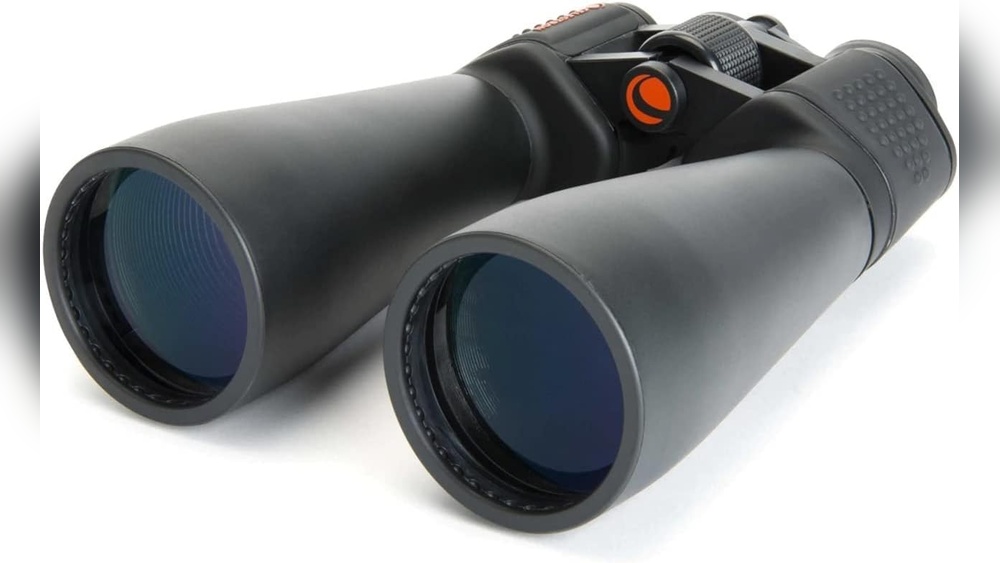
These binoculars provide clear, steady views of the night sky, making them suitable for astronomy beginners.
Imagine a clear night when the stars are just beginning to appear, but you only have a few precious moments to catch the show before clouds roll in. In these situations, having the right stargazing tool at hand can make all the difference, letting you enjoy the wonders above without complicated setups.
This category offers a simple way to get closer to the night sky, helping you spot planets, star clusters, and more with ease. Up next, I’ll share top expert recommendations to help you make the most of your nights under the stars.
Expert Picks For Best Binoculars For Stargazing
Celestron Skymaster 15×70 Binoculars
One of the Best Binoculars for Stargazing thanks to its powerful magnification and large objective lenses.

The Celestron SkyMaster 15×70 binoculars are designed for astronomy enthusiasts and long-range viewers who want to see more detail without investing in a telescope. With its 70mm objective lenses and strong 15x magnification, this model brings distant stars, planets, and terrestrial sights much closer, delivering a bright, wide field of view. The included tripod adapter and carry case make setup and transport straightforward for beginners and seasoned skywatchers alike.
In everyday use, the SkyMaster stands out for its comfortable grip and water-resistant, rugged design—handy if you’re viewing in the field or facing changing weather. Mounting them on a tripod (not included) is simple, which helps eliminate hand-shake and lets you enjoy extended viewing sessions without fatigue. I found the BaK-4 prisms offer crisp, sharp images even in low light, making these a reliable companion for both casual and dedicated stargazing nights.
Pros:
- Exceptional low-light performance for stargazing
- Large 70mm lenses gather ample light
- Comfortable, grippy, and water-resistant build
- Tripod adapter included for steady viewing
- Bright, sharp images with BaK-4 prisms
- Good value for the magnification and size
- Trusted brand with lifetime US warranty
Cons:
- Bulky and heavy for handheld use over long periods
- Tripod required for best results (not included)
- Carrying case is basic, not heavily padded
My Experience With This:
The SkyMaster 15×70 is ideal for anyone who wants to explore the night sky without committing to a telescope right away. Beginners will appreciate how much more they can see compared to smaller binoculars, while experienced users will enjoy the jump in clarity and detail. Just be prepared to use a tripod for the steadiest views—it’s well worth it, especially for prolonged sessions.
After purchasing, setup is straightforward and the sturdy build means you won’t worry about minor bumps or dew. If you’re new to astronomy, my tip is to start with wide, easy targets like the moon and star clusters—these binoculars make them feel close and vivid. I love that I can trust them to perform, rain or shine, and the lifetime warranty adds a layer of peace of mind.
| Best for | Why |
|---|---|
| Stargazing beginners | Easy to use, no telescope experience needed |
| Long-range viewing outdoors | High magnification and large lenses for distant detail |
| Budget-conscious astronomers | Great value without sacrificing optical quality |
| Anyone needing all-weather gear | Water-resistant and durable for outdoor use |
Celestron Cometron 7×50 Astronomy Binoculars
One of the Best Binoculars for Stargazing if you want an affordable, beginner-friendly way to explore the night sky.

The Celestron Cometron 7×50 Astronomy Binoculars are designed for entry-level stargazers who want a simple, effective way to start exploring the cosmos. With 7x magnification and large 50mm objective lenses, these binoculars offer a wide field of view, making it easy to scan the Milky Way, spot constellations, or catch sight of comets without feeling overwhelmed by technical features.
In everyday use, these binoculars feel comfortable and intuitive, especially for beginners. The multi-coated optics provide bright, clear views with good contrast, and they’re light enough to hold steady for a while—or you can use a tripod for extra stability. I found them reliable for both stargazing and daytime activities like birdwatching or hiking, which adds to their overall value.
Pros:
- Wide field of view simplifies celestial navigation
- Very beginner-friendly and easy to handle
- Bright images thanks to large objective lenses
- Multi-coated optics boost clarity and contrast
- Tripod-adaptable for hands-free use
- Also suitable for daytime activities
Cons:
- Not ideal for advanced or deep-sky astronomy
- No tripod adapter included
- Basic design may not suit those wanting more features
Who Should Choose This
If you’re just starting out with astronomy or want a hassle-free way to enjoy the night sky, these binoculars are a smart pick. They require little setup and let you explore stars and comets almost right away—no steep learning curve. For families or anyone who values versatility, their usefulness for both day and night activities is a real plus.
I’d recommend using a simple tripod if you plan on longer viewing sessions, since the built-in tripod socket makes it easy to stabilize your view. Overall, these binoculars offer a friendly introduction to stargazing without the intimidation of more advanced gear. They’re what I’d hand to a curious beginner or a casual hobbyist.
| Best for | Why |
|---|---|
| Beginners in stargazing | Simple, intuitive, and affordable entry point |
| Casual hobbyists | Wide view for scanning sky and landscapes |
| Families and multi-use buyers | Great for both night sky and daytime activities |
| Tripod users | Tripod adaptable for steady, extended viewing |
Celestron Skymaster 20×80 Binoculars
If you’re searching for the Best Binoculars for Stargazing, these SkyMaster 20x80s deliver powerful magnification and bright views that make celestial observation easy.

The Celestron SkyMaster 20×80 Binoculars are designed for those who want a serious step up in astronomical and long-range terrestrial viewing. With 20x magnification and 80mm objective lenses, these binoculars gather plenty of light for sharp, bright images, even in low-light conditions. The built-in tripod adapter makes it easy to set up for steady views—especially helpful for extended sessions under the night sky.
In everyday use, the SkyMaster feels robust and reliable. The rubber-armored body offers a secure grip, and the water-resistant build means you don’t have to worry about sudden changes in weather. While they’re large and best suited to tripod use, I found that once mounted, they provide consistent, comfortable viewing without the fatigue you might get from holding heavy optics. They’re straightforward for beginners but still satisfy seasoned stargazers.
Pros:
- Exceptional 20x magnification for detailed star and planet viewing
- Large 80mm aperture for bright, clear images at night
- Works seamlessly with most tripods for stable observation
- BaK-4 prisms enhance clarity and light transmission
- Durable, rubber-armored housing for extra protection
- Water-resistant exterior handles tough conditions
- Includes carrying case for convenient transport
- Backed by Celestron’s Limited Lifetime US Warranty
Cons:
- Too bulky for handheld use—tripod is practically required
- Tripod not included in the box
- May be overwhelming for absolute beginners or casual users
How I’d Use This
This binocular is ideal for anyone who wants to move beyond entry-level stargazing and see more detail in the night sky. Once you have a sturdy tripod, setup is quick and you can spend hours observing without strain. Beginners will appreciate the simple tripod adapter, while more experienced users will benefit from the sharpness and brightness the BaK-4 prisms deliver.
If you’re worried about durability or weather, the water-resistant, armored build gives peace of mind. My practical tip: Invest in a solid tripod for the best experience, especially during longer sessions. Personally, I like how these let me scan both the moon and distant terrestrial landscapes with equal clarity.
| Best for | Why |
|---|---|
| Dedicated stargazers | High magnification and light-gathering for deep sky viewing |
| Astrophotography beginners | Tripod compatibility for steady, clear images |
| Outdoor enthusiasts | Durable and water-resistant for unpredictable conditions |
| Serious hobbyists | Lifetime warranty and reliable performance |
Sogries 18×70 Astronomy Binoculars
A top pick for Best Binoculars for Stargazing thanks to its powerful optics and stable, pro-level features.

The Sogries 18×70 Astronomy Binoculars are designed for those who want to see deeper into the night sky without the complexity of a telescope. With 18x magnification and a large 70mm objective lens, these binoculars gather plenty of light for clear, detailed views of the moon, star clusters, and distant terrestrial objects. They’re built tough with a metal body and rubber armor, plus waterproof and fogproof protection, making them a reliable tool for field use in almost any weather.
In practice, I find these binoculars feel substantial and stable, especially when mounted on a tripod (which is highly recommended at this magnification). The included smartphone adapter is a nice touch for capturing photos, and the wide, bright view makes stargazing feel immersive—even for beginners. Adjustments are straightforward, and the optics stay sharp right to the edge, so you can spend more time enjoying the view and less time fiddling with settings.
Pros:
- Excellent low-light performance for stargazing and twilight use
- High 18x magnification with wide, immersive field of view
- Sturdy, weatherproof construction for outdoor reliability
- Tripod-ready with included adapter for stable viewing
- Universal smartphone adapter for easy astrophotography
- Comfortable for long observation sessions
Cons:
- Heavy and bulky—tripod use is almost necessary
- Not ideal for quick, handheld viewing
- May be overkill for casual or daytime users
My Honest Take
If you’re serious about stargazing but don’t want the setup time of a telescope, this binocular is a smart choice. It’s especially good for beginners who want big, bright views right away, as well as anyone who values durability and weatherproofing. After the initial setup, it’s easy to use, and the included accessories make it more versatile for travel and photography.
One tip: always use a tripod for best results—your arms will thank you, and the image will stay sharp and steady. These binoculars are a great investment if you want something that feels professional but isn’t intimidating to use. For anyone passionate about the night sky, it brings peace of mind knowing you have gear that can handle almost anything.
| Best for | Why |
|---|---|
| Serious stargazers | High magnification and large aperture reveal more celestial detail |
| Outdoor enthusiasts | Rugged, waterproof build for reliable use in the field |
| Astrophotography beginners | Easy smartphone adapter for capturing night sky images |
Sogries 20×80 Astronomy Binoculars
If you’re searching for the Best Binoculars for Stargazing, this model stands out for its powerful optics and stable tripod support.

The Sogries 20×80 Astronomy Binoculars are designed for adults who want crisp, detailed views of the night sky. With 20x magnification and large 80mm objective lenses, these binoculars are well-suited for moon observation, star clusters, and even deep-sky objects. The inclusion of BaK-4 prisms ensures enhanced brightness and clarity, making it ideal for both astronomy and wildlife watching.
In everyday use, the binoculars feel sturdy and comfortable thanks to their rubber-armored, non-slip housing. The waterproof build adds extra peace of mind during humid nights or unexpected weather. I appreciate the tripod compatibility, which means you don’t have to strain your arms during longer sessions. Carrying and storing the binoculars is easy with the included protective case, and the support team is responsive if you have any questions.
Pros:
- Excellent low-light performance for stargazing
- Stable tripod support reduces hand fatigue
- Waterproof and dust-sealed for outdoor reliability
- Premium BaK-4 prisms for sharper, brighter images
- Comfortable, shock-absorbing rubber design
- Carrying case for easy transport
- Responsive support team for troubleshooting
Cons:
- Weighs over 4 lbs, so tripod is almost required
- Too large for casual, quick use or travel
- May be intimidating for absolute beginners
My Honest Take
This binocular is best for anyone serious about stargazing and astronomy who wants the clarity and comfort of a stable setup. Once you get familiar with the tripod, it’s simple to use—especially for longer sessions where holding binoculars by hand isn’t practical. Beginners can use it, but the size and weight mean it’s best for those ready to invest in a more dedicated tool.
If you’re looking for peace of mind, the waterproof and shockproof build helps protect your investment. My advice: set aside time to learn the tripod and focus adjustments, and always keep the carrying case handy. For anyone who values clear, steady celestial views, this is a smart choice.
| Best for | Why |
|---|---|
| Dedicated stargazers | Superior optics and tripod stability for long sessions |
| Wildlife watchers | Bright, clear views in low light and rugged construction |
| Beginner astronomers | Easy to use with tripod, but best for those ready to learn |
| Anyone needing waterproof optics | Reliable performance in unpredictable outdoor conditions |
How To Choose Best Binoculars For Stargazing For Your Needs
Choosing the best binoculars for stargazing means focusing on features that enhance your night sky experience while being practical for regular use.
- Is the magnification strong enough for detailed celestial viewing?
- Are the lenses large enough to gather sufficient light in low-light conditions?
- Is the binocular weight comfortable for extended handheld use?
- Does the device offer a steady and adjustable focus?
- Are the binoculars durable and weather-resistant for outdoor nights?
- Is there compatibility with a tripod for stable long sessions?
For more details on choosing the right pair, see the FAQs below.
Faqs Of Best Binoculars For Stargazing
What size binoculars are best for stargazing?
For stargazing, 7×50 or 10×50 binoculars are often best. They give a wide view and are easy to hold steady.
Are binoculars safe for kids to use at night?
Yes, but always supervise children. Make sure they use lightweight binoculars for safety and comfort.
How do I clean binocular lenses after stargazing?
Use a soft lens cloth and avoid touching lenses with fingers. Store them in a case to keep dust away.
Do I need waterproof binoculars for outdoor stargazing?
Waterproof binoculars help protect from dew or sudden rain. They last longer and are safer in damp weather.
How heavy should stargazing binoculars be for daily use?
Choose binoculars under 2 pounds for daily comfort. Lighter models reduce hand strain during long viewing sessions.
What features help with safe and easy focusing at night?
Look for large, easy-to-turn focus wheels. These make night focusing simpler and safer for all users.
Final Verdict: Best Binoculars For Stargazing For Most People
Finding the right binoculars for stargazing is about matching your preferences with practical features. Consider the weight, field of view, and optical clarity that align with how and where you plan to observe the night sky.
Think about comfort for longer sessions and whether you need portability or more advanced adjustments. Trust your instincts and look for a balance between performance and ease of use that feels right for you.
Let your curiosity guide your choice.


