
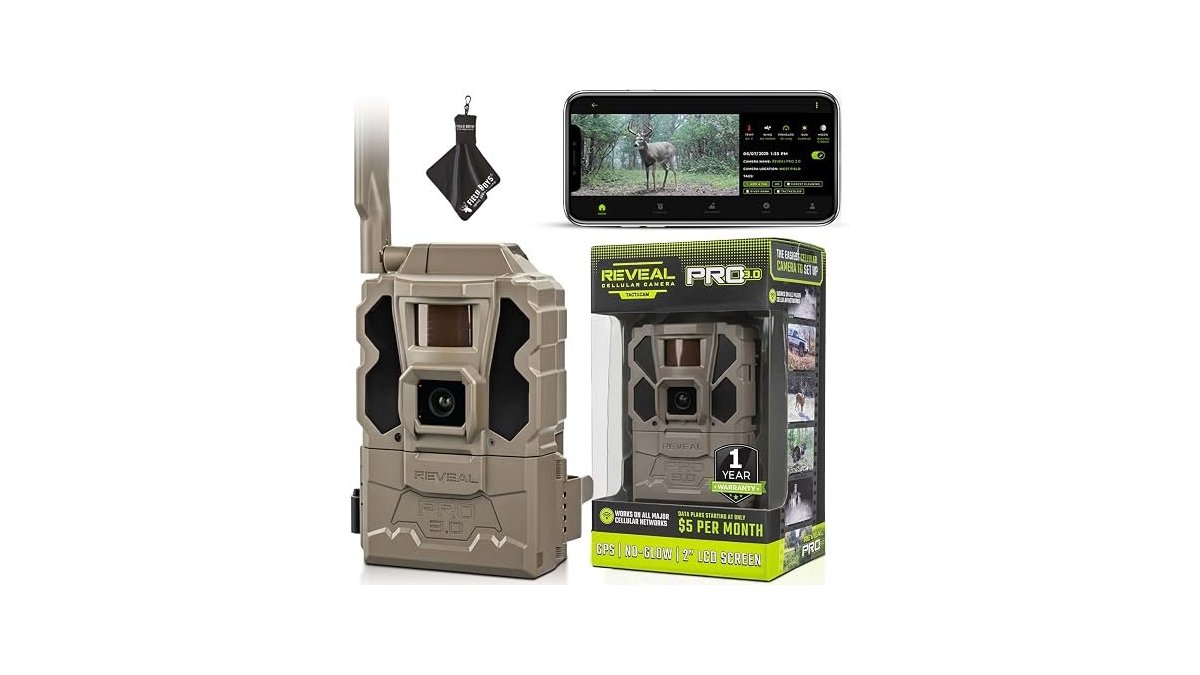
Choosing a trail camera with a screen makes it much easier to check your settings and view your photos right in the woods. While some models send images to your phone, others prioritize a built-in display for quick, offline feedback. The main difference lies in whether you need cellular connectivity or prefer a simple, standalone device.
Best overall: Tactacam Reveal Pro 3.0 is the top choice because it combines cellular convenience with a screen for easy setup and built-in storage options. Best for field adjustments: MAXDONE Solar Trail Camera wins for its solar power and dual-control system, which lets you tweak angles and settings using the screen or an app. Best for simple setup: Punvoe Trail Camera stands out for its straightforward, no-fuss operation that relies entirely on a screen and physical buttons for easy navigation.
This guide is for anyone looking to simplify their wildlife monitoring by keeping a clear view of their data directly on the camera.
How We Picked
We compared 48 different trail camera listings to find the most capable options featuring built-in screens. To earn a spot in this article, a camera had to clearly state its screen size, trigger speed, and environmental protection ratings. We prioritized models that offered transparent information about their power sources and setup requirements. Any product that failed to provide clear technical specifications or left critical features like mounting or memory support ambiguous was removed from our list.
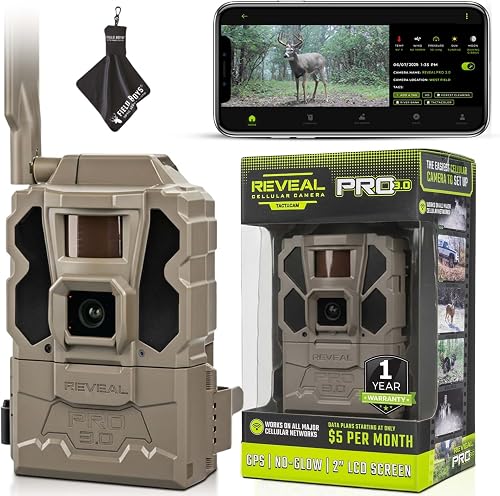
1. TACTACAM Reveal Pro 3.0 Cellular Trail Camera
Best for: Hunters needing cellular connectivity and easy setup.
The Tactacam Reveal Pro 3.0 is designed for those who want to see their images without always needing to visit the camera. It features a 2-inch LCD screen that helps with initial configuration, ensuring you can get it working quickly. Its ability to connect to multiple cellular networks provides great flexibility depending on your location.
The camera includes no-glow infrared technology, which keeps it hidden from animals and people during the night. Because it offers built-in storage, you have the option to use the camera even if you don’t have an SD card handy. If you’re worried about power, pair the unit with an optional solar panel to extend battery life significantly.
This model is well-suited for users who want a balance of modern connectivity and manual control. If you require a permanent, offline setup, look elsewhere. This device is specifically engineered for remote monitoring via the REVEAL app. Beginners should rely on the preactivated SIM card to avoid common connection errors during the initial sync. It isn’t for those who want to avoid the periodic setup of cellular plans or app-based accounts.
Pros
- Built-in storage option available.
- Clear 2-inch LCD screen.
- Supports multiple cellular networks.
Cons
- Requires cellular plan activation.
- One-year warranty limit.
2. MAXDONE Solar Trail Camera

Best for: Users wanting year-round monitoring without battery swaps.
The MAXDONE Solar Trail Camera stands out by using a 7800mAh battery paired with solar charging to keep it running longer. This setup is ideal if you’re placing the camera in a remote spot and want to avoid frequent trips to change batteries. The 1.77-inch color screen allows you to preview your view in real time, which simplifies the process of finding the perfect angle.
You can control this camera using the physical buttons on the screen or via the app if you’re within range. The 0.1-second trigger speed is built to catch fast-moving wildlife before they exit the frame. This camera is a great fit for someone who wants solar power and doesn’t require remote alerts over the internet. It isn’t for users who need a live, long-distance cellular feed.
Pros
- Built-in solar charging system.
- Fast 0.1s trigger speed.
- Dual control via screen or app.
Cons
- No remote cellular alerts.
3. Punvoe Trail Camera 2 Pack 36 MP 2.7K Game Camera

Best for: Buyers who prefer a simple, button-based interface.
The Punvoe Trail Camera is a straightforward, reliable option that comes in a two-pack, giving you more coverage for your property. It features a 2.0-inch color screen and uses physical buttons that operate like a TV remote, making it very easy to navigate for users of all ages. You don’t need to deal with Wi-Fi or apps, which keeps the operation simple and predictable.
The camera is built to handle tough outdoor weather, with an IP66 waterproof rating that works in temperatures as low as -22 °F. Its high-resolution 36MP images and 2.7K video provide clear documentation of your wildlife or security area. This is a solid choice if you want to avoid technical setup hurdles. It isn’t for those who specifically need Wi-Fi or Bluetooth connectivity for remote viewing.
Pros
- Easy button-based interface.
- Wide 130-degree detection range.
- Buying a pair of these units offers good value.
Cons
- No wireless app connectivity.
4. kejector Wildlife Trail Camera

Best for: Monitoring large areas with wide-angle detection.
The kejector Wildlife Trail Camera offers a wide 120-degree detection range, making it easier to track activity across a larger path. It uses an F/1.6 aperture lens to gather more light, which helps produce sharper images and videos even when it’s dark. The 2.0-inch LCD screen allows for instant playback, so you can verify that the camera is pointed exactly where you need it.
With a 0.2-second trigger speed and a 45-foot sensing range, it’s quick to react to movement. If you’re tracking fast-moving animals, place the camera at a slight angle to the path rather than head-on; this maximizes the PIR sensor’s ability to trigger before the subject passes the frame.
It’s powered by 4 or 8 AA batteries and keeps power consumption low by excluding Wi-Fi. This design allows for up to 8 months of standby time. If you use only 4 batteries, ensure they’re placed as a single group on the top or bottom to maintain consistent power. This camera is built for those who want high-performance monitoring without constant maintenance. It isn’t for users who require smartphone app control.
Pros
- Wide 120-degree detection range.
- Large aperture lens for light.
- Durable IP66 waterproof rating.
Cons
- No app or wireless support.
5. Mini Trail Camera 4K 48MP

Best for: Those needing a small, discreet monitoring device.
The WIMIDING Mini Trail Camera 4K is a compact option designed to blend into its surroundings while providing high-resolution 4K video and 48MP photos. Its 2.0-inch LCD screen allows you to preview shots or adjust settings in the field without needing a computer. It’s built with an IP66 waterproof rating, making it a functional choice for woods, farms, or backyard monitoring.
The camera’s 0.2-second trigger speed ensures it captures wildlife as soon as motion is detected. This speed is critical for scouting; if you’re monitoring a high-traffic trail, this fast response helps ensure you don’t miss the subject.
Always purchase an SD card separately before your first outing, as the device doesn’t include one in the box. Without a card, you can’t store any footage. This camera is designed for a simple, plug-and-play experience. It’s the right choice for someone who wants a small, unobtrusive device that focuses on the essentials of outdoor monitoring.
If you require advanced features like solar power or cellular data transmission, this model won’t meet your needs. Stick to this unit if your primary goal is manual, local recording in changing weather conditions.
Pros
- Compact and discreet design.
- Fast 0.2s trigger speed.
- Features a built-in LCD screen for viewing.
Cons
- SD card not included.
6. Solar Trail Camera

Best for: Users who want an all-in-one package.
The Solar Trail Camera by WOSODA comes with a built-in 2500mAh battery that’s recharged by a solar panel, reducing the need for constant battery swaps. If you’re monitoring remote locations, use the included AA batteries as a backup to guarantee 24/7 performance. The 32GB SD card and AA batteries are included in the box, so you can start using it immediately. The 2-inch screen is clear and makes navigating the settings menu very intuitive.
With a 120-degree wide-angle lens and an 80-foot trigger distance, this camera is designed to cover a significant area. The 0.2-second trigger speed ensures you capture quick-moving animals before they exit the frame. The camouflage pattern helps it disappear into the trees, which is helpful for keeping it hidden from view.
If you’re setting up in dense woods, prioritize mounting the camera where the solar panel receives direct sunlight to maintain the internal charge. This model is ideal for those who value convenience and out-of-the-box readiness. It isn’t for users who need high-end cellular alerts or remote management.
Pros
- Includes SD card and batteries.
- Solar panel extends battery life.
- Features an expansive field of view to capture more of the surroundings.
Cons
- No cellular or Wi-Fi.
7. 3 Pack Trail Cameras

Best for: Covering multiple areas at once.
The 3 Pack Trail Cameras from WOSODA provides a high-resolution solution for large properties. Each camera features a 2.0-inch LCD screen, allowing you to check each unit individually during installation. These cameras are capable of 48MP photos and 4K video, ensuring you capture fine details like animal markings.
The 940nm infrared light is designed to be invisible to wildlife, preventing the camera from scaring off animals at night. The system includes an SD card reader and batteries, making it a complete kit. This is perfect for the user who needs to monitor several different trails or perimeters simultaneously. It isn’t for those who want a single, centrally controlled cellular camera system.
Pros
- High 48MP resolution images.
- No-glow night vision LEDs.
- Complete kit with accessories.
Cons
- No wireless remote control.
The GardePro A3S Non-Cellular Trail Camera offers solid image quality in a compact package, making it a reliable choice for standard monitoring tasks.
The GardePro E5S Non-Cellular Trail Camera provides high-resolution 64MP photos, which is useful if you need to capture more detail on wildlife markings or antlers.
The Meidase P70 is a robust, non-cellular option that focuses on durability and clear infrared night vision for effective, long-term outdoor use.
How to Choose in Sixty Seconds
Which screen size is actually best?
It’s large enough to see if your camera is centered on a trail or a feeder but small enough to keep the device compact. Anything smaller than the built-in color screen can make it hard to read the menu text or see fine details in your photos. When in doubt, look for a 2-inch display, as it offers the best balance of ease-of-use and portability.
Does “no-glow” infrared really matter?
“No-glow” infrared LEDs are important if you want to avoid startling animals or revealing the camera’s location to humans at night. Standard infrared lights can sometimes emit a faint red glow that curious wildlife might notice. If you’re monitoring shy deer or need to keep the camera hidden for security, no-glow is a smart choice. If you’re just monitoring general activity in a low-traffic area, standard infrared LEDs are usually perfectly adequate for getting clear night images.
What should I confirm before ordering?
Always check if the camera includes an SD card, as many do not. If you’re buying a model that uses a specific battery type, make sure you have those on hand before you head out to the woods. Also, verify the mounting system; most use standard straps or threads, but it helps to know if you need to buy a separate mount for a tree or post. Following National Park Service wildlife guidelines ensures your setup is safe for the animals you’re observing.
Related guides
Frequently Asked Questions
What kind of maintenance does a trail camera need?
Trail cameras require minimal maintenance beyond checking batteries and clearing the lens. Wipe the sensor with a clean cloth when swapping SD cards to remove dust or debris. Check rubber seals periodically if you live in areas with extreme weather.
What is the first thing that usually goes wrong?
Battery life issues are the most common concern for trail camera owners, especially in cold weather. The listing doesn’t mention battery performance in cold weather. Using high-quality lithium batteries often solves this, as they handle cold temperatures better than standard alkaline options. If your camera seems to be failing, fresh batteries are almost always the first and easiest thing to check before assuming there’s a hardware fault.
Is the simplest model on the list enough?
A basic, non-cellular camera like the Punvoe Trail Camera is sufficient for most backyard monitoring. These models capture clear images and videos without the complexity of apps or monthly data plans. They are often more reliable due to having less software to manage.
How do I ensure my camera stays hidden?
Placement is the secret to keeping your camera hidden from animals and people. Use natural camouflage like tree bark or brush to help the device blend into its surroundings. Avoid facing the camera directly into the sun to prevent glare from washing out images.


