
A trail cam with night vision works best when you decide between real-time phone alerts or simple SD card storage. Cellular models offer instant updates but require a data plan, while non-cellular options provide a set-it-and-forget-it experience that avoids the need for cellular connectivity.
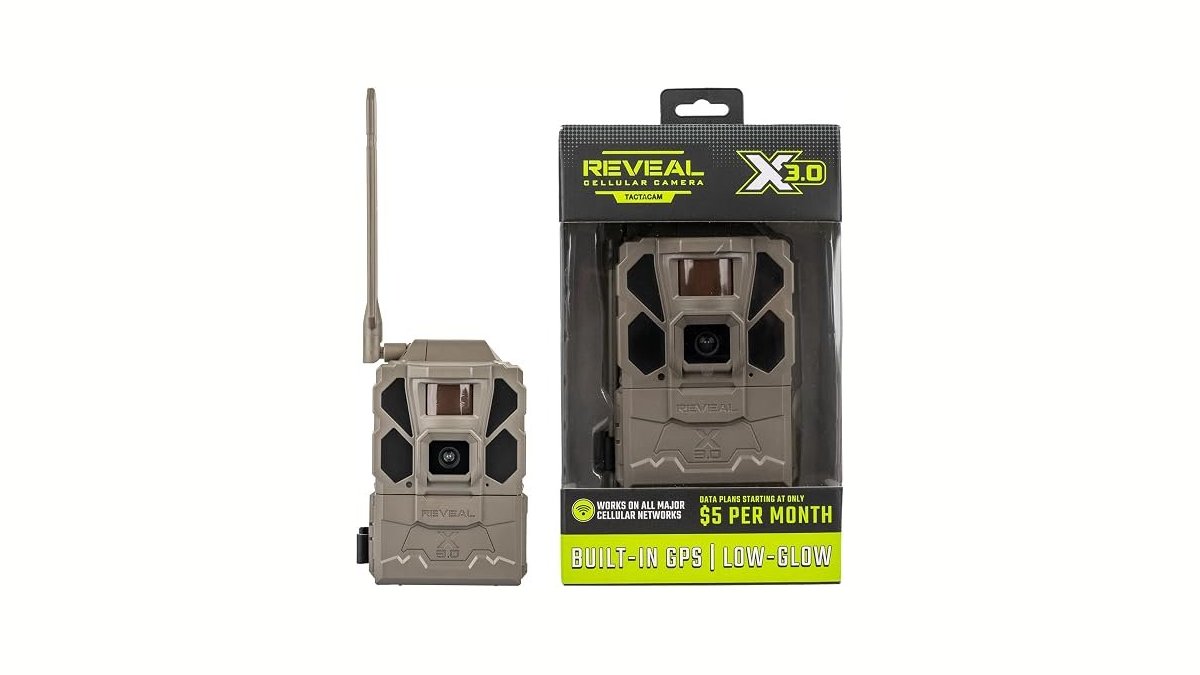
Best overall: Tactacam Reveal X 3.0 offers automatic carrier switching to find the best signal, ensuring you get photos even in remote areas with mixed coverage.
Best for simplicity: GardePro E5S is ideal for those who prefer to check their own SD cards, avoiding the complexity of cellular networks and subscription plans entirely.
Best for stealth: Spypoint Flex-Dark uses no-glow LEDs to remain invisible in total darkness, which is helpful for monitoring skittish game without alerting them to the camera.
The rest of this guide is for hunters and landowners who need reliable, high-quality images to monitor property or wildlife behavior.
How We Picked
We compared 48 different trail camera listings to identify the most capable options for various user needs. To earn a spot, a product had to provide clear technical specifications, including trigger speeds, resolution, and power requirements. We prioritized models that clearly define their connectivity options, ensuring that buyers know exactly whether a camera requires a cellular subscription or operates independently.
1. Tactacam REVEAL X 3.0 Cellular Trail Camera

Best for: Hunters wanting real-time cellular updates anywhere.
This camera stands out because it automatically locks onto the strongest available signal between two major carriers. You don’t need to choose a network during setup, which saves you from potential coverage gaps. The system is designed for quick deployment, and most users are active within ten minutes of scanning the QR code.
If you’re setting up in a remote area, prioritize the 3-shot burst mode. This setting captures three consecutive images per trigger, which is essential for identifying fast-moving game that might otherwise blur or exit the frame. If you’re monitoring stationary equipment or gates, you can rely on the sub-half-second trigger to capture clear, centered shots without manual adjustment.
The unit includes built-in GPS, allowing you to track the camera’s location through the app. It also uses onboard storage to move photos to your phone, so you don’t need to buy or format separate SD cards. This model is well-suited for someone who needs to monitor remote property without visiting the site frequently. It isn’t the right choice for a user who wants to avoid cellular data plans or monthly service requirements.
Pros
- Automatic multi-carrier signal switching.
- Built-in GPS for location tracking.
- No SD card purchase required.
Cons
- Requires a cellular service plan.
- Not for offline-only users.
2. GardePro E5S Non-Cellular Trail Camera

Best for: Users who want high-resolution images without subscriptions.
The E5S focuses on image quality, capturing 64MP photos and 1296P videos. Its non-cellular design means you never have to worry about signal strength or monthly bills. It uses three PIR sensors to achieve a 0.1-second trigger speed, which helps capture fast-moving animals before they leave the frame. If you’re tracking wildlife in dense brush, position the camera perpendicular to the trail to maximize the effectiveness of these three sensors.
The camera is built with an IP66 waterproof rating, making it durable for outdoor use. You simply retrieve the SD card to view your files, which keeps operation simple and energy-efficient. Use the 1/4″-20 mounting thread to secure the unit to a post or tree. This is a great pick for a backyard monitor or a local hunting spot.
If you require continuous power in remote areas, add the GardePro SP350 solar panel to the 8 AA battery setup. This model isn’t designed for someone who needs to receive instant notifications on their smartphone while away from home. Relying on manual retrieval saves battery life but forces you to visit the site to see your results.
Pros
- Fast 0.1s trigger speed.
- High 64MP photo resolution.
- No cellular subscription needed.
Cons
- Requires manual SD card retrieval.
- No real-time remote alerts.
3. SPYPOINT FORCE-4K Trail Camera

Best for: High-definition video recording in the field.
This model excels at video, providing high-definition resolution with sound to give you a clear look at wildlife behavior. The wide field of view is broader than many competitors, helping you capture more action in a single frame. It also includes a built-in color screen, so you can adjust settings and view footage directly on the camera.
Because it’s non-cellular, you maintain full control over your media without relying on an app or network. The camera uses low-glow LEDs for night vision, which provides clear images during dusk and dawn. If you prioritize image quality, the 48MP photo setting offers high resolution.
Choose this unit if you prefer to physically check your SD card to protect your data privacy. If you require instant remote access to photos while away from the site, this non-cellular model won’t meet your needs. You must be willing to walk to the camera to retrieve your captures.
Pros
- 4K video recording with sound.
- Built-in color viewing screen.
- Wider 66-degree field of view.
- 48MP high-resolution photo capability.
Cons
- Low-glow LEDs are slightly visible.
- Requires manual media retrieval.
- No cellular connectivity for remote alerts.
4. Browning Trail Cameras Strike Force Pro X 1080 Full HD

Best for: Professionals needing reliable, long-term monitoring.
This camera is known for its fast trigger speed of less than a quarter-second. It includes a 1.5-inch color screen that makes it easy to check your settings or preview photos while you’re in the woods. The all-steel mounting bracket provides a stable, flexible way to attach the camera to trees or posts.
If you need to monitor a remote site for months, the industry-leading battery efficiency is your primary advantage. Use this model when you want to minimize site visits and avoid the complexity of frequent battery swaps. If you find yourself needing to check images daily from home, you should look elsewhere, as this unit lacks cellular or Wi-Fi connectivity.
Browning uses its Radiant 6 flash technology to ensure high-quality lighting at night. It’s designed for extended battery life, which reduces the need for frequent maintenance visits. This camera is a solid choice for someone who prioritizes hardware reliability and ease of setup.
Pros
- Less than 0.25s trigger speed.
- Durable all-steel mounting bracket.
- Industry-leading battery efficiency.
Cons
- No cellular or Wi-Fi features.
- Small 1.5-inch viewing screen.
5. Maxdone Solar Trail Camera

Best for: Users seeking a low-maintenance, solar-powered solution.
The split solar panel design allows for flexible mounting to catch the most sunlight throughout the year. With a 6000mAh rechargeable battery, this camera is built for long-term continuous use without needing manual battery changes. It creates its own short-range Wi-Fi hotspot, so you can download files directly to your phone when you’re within 33 to 50 feet.
This camera captures 4K video and 64MP photos, providing high-quality imaging for your property or garden. It’s a great choice for someone who wants to avoid the hassle of changing batteries or buying SD cards, as a 32GB card is pre-installed.
If you need real-time alerts while away, this isn’t the right tool. It isn’t compatible with home Wi-Fi or cellular networks, meaning it can’t send push notifications to your phone. The camera records automatically regardless of your connection status, but you must be physically near the unit to retrieve footage.
Pros
- Integrated solar charging system.
- Direct Wi-Fi file transfer.
- High 4K video resolution.
Cons
- No cellular remote connectivity.
- Limited Wi-Fi range.
- No real-time motion alerts.
6. WOSPORTS Mini Trail Camera 30MP 1080P HD Game Camera

Best for: Those who need a discreet, compact device.
At only 0.73 pounds, this mini camera is easy to carry and hide in natural surroundings. The camouflage body helps it blend into trees, making it less noticeable to both wildlife and humans. Despite its small size, it captures 30MP photos and 1080P video, providing clear footage for your monitoring needs.
Mount the device 3–4 feet away from the target area for the best results. Adjust the height based on the specific size and activity patterns of the animals you intend to track. If you’re monitoring smaller birds, place it lower to the ground than you would for deer.
The 850nm infrared LEDs provide night vision. It’s a user-friendly option that’s simple to set up with the included mounting strap. This is a perfect match for someone who wants a lightweight, portable camera. It isn’t the right fit for a professional who requires advanced features like 4K video or cellular integration.
Pros
- Lightweight and compact design.
- Discreet camouflage exterior.
- Simple, user-friendly menu.
Cons
- Requires external SD card.
- Basic 1080P video resolution.
7. SPYPOINT Flex-Dark Twin Cellular Trail Camera

Best for: Maximum stealth during nighttime monitoring.
The Flex-Dark uses no-glow LEDs that emit no visible light, keeping the camera hidden even in total darkness. You can remotely switch between no-glow and low-glow settings via the app, giving you control over how the camera operates. Use the no-glow setting when you need total invisibility to avoid spooking game. If you find the image quality lacking in deep shadow, toggle to low-glow for a boost in range.
The camera automatically connects to the best available network, so you don’t have to worry about carrier coverage. You get 100 photos per month for free, with options to upgrade if you need more. If you exceed your limit, you can choose from various subscription tiers to increase your monthly photo transmission capacity.
The device features a semi-flexible antenna and a reinforced, ghost grey casing for durability. The latch is specifically engineered for easy opening, even when freezing temperatures make plastic brittle. This is an ideal camera for someone who needs to be completely undetected. It isn’t for users who want to avoid all cellular data plans or subscription models.
Pros
- Total stealth no-glow night vision.
- Automatic multi-carrier signal connection.
- Reinforced, weather-resistant build.
Cons
- Requires a cellular service plan.
- Free plan has photo limits.
How to Choose the Best Night Vision Trail Cam
Should I choose cellular or non-cellular?
Choose cellular if you need real-time alerts for property monitoring or remote acreage. These models, like the Tactacam Reveal X 3.0 or Spypoint Flex-Dark, use an integrated SIM to auto-connect to the strongest signal, eliminating dead zones. You pay for this convenience via monthly transmission plans. If you prefer to avoid subscriptions, choose non-cellular. These cameras store images on an SD card, requiring you to visit the site to retrieve data. This is a common mistake: assuming all wireless cameras use your home Wi-Fi. Many, like the Maxdone, create their own short-range hotspot for local file downloads, which doesn’t provide remote notifications.
Does night vision quality vary much?
Yes. If you require total stealth, look for no-glow LEDs. These emit no visible light, ensuring you don’t spook game. Models like the Spypoint Flex-Dark allow you to toggle settings, while others like the Meidase P70 prioritize this feature for sensitive wildlife. The Wosports model uses 850nm infrared technology for night vision. Always match the LED type to the specific behavior of the game you’re tracking.
What features actually matter for long-term use?
Prioritize power management and build quality. For remote setups, choose cameras that support solar panels, such as the GardePro E5S or Maxdone, to avoid frequent battery changes. If you select a cellular unit, ensure it features a reinforced, semi-flexible antenna to prevent breakage in high winds. Always look for an IP66 waterproof rating to survive humidity. Finally, if you choose a non-cellular model, prioritize one with a built-in viewing screen, like the Browning Strike Force Pro, to verify your shots immediately without needing a separate card reader.
Frequently Asked Questions
Can these cameras work in complete darkness?
Yes, all these cameras use infrared technology to capture images when there’s no visible light. The infrared LEDs illuminate the subject, allowing the sensor to record clear black-and-white footage. Models like the Spypoint Flex-Dark use no-glow LEDs, which are completely invisible to the human eye and wildlife. This ensures you can monitor animal behavior in the middle of the night without the camera’s light source startling the subjects or revealing its location.
What happens if the cellular signal is weak?
Cameras like the Tactacam Reveal X 3.0 and Spypoint Flex-Dark are designed to handle weak signals by automatically scanning for the strongest carrier in the area. They don’t rely on a single network, which helps maintain a connection even in rural zones. If the signal is too weak for transmission, the camera will typically continue to save photos to its internal memory or SD card until a connection is re-established.
How often do I need to change batteries?
Battery life varies greatly depending on the camera’s settings, the number of photos taken, and the use of cellular features. Models like the Browning Strike Force Pro are built for industry-leading efficiency, while solar-powered options like the Maxdone Solar Trail Camera can run for very long periods without intervention. To extend life, you should use high-quality lithium batteries and avoid excessive video recording, which consumes power much faster than taking still images.
Is the simplest model on this list enough?
For basic backyard or local trail monitoring, a simple non-cellular camera like the Wosports Mini Trail Camera is often sufficient. It provides clear 30MP photos and reliable motion detection without the complexity of apps or data plans. If you don’t require remote alerts or professional-grade 4K video, these entry-level models offer everything needed to track wildlife movement and observe your property effectively while keeping the setup process straightforward and quick.


