
The best adventure motorcycle jacket depends on your riding style. Some riders need total weather protection for long tours, while others prioritize airflow for hot days on the trail. These picks are separated by their main purpose, ranging from heavy-duty protection to lighter materials that keep you cool.
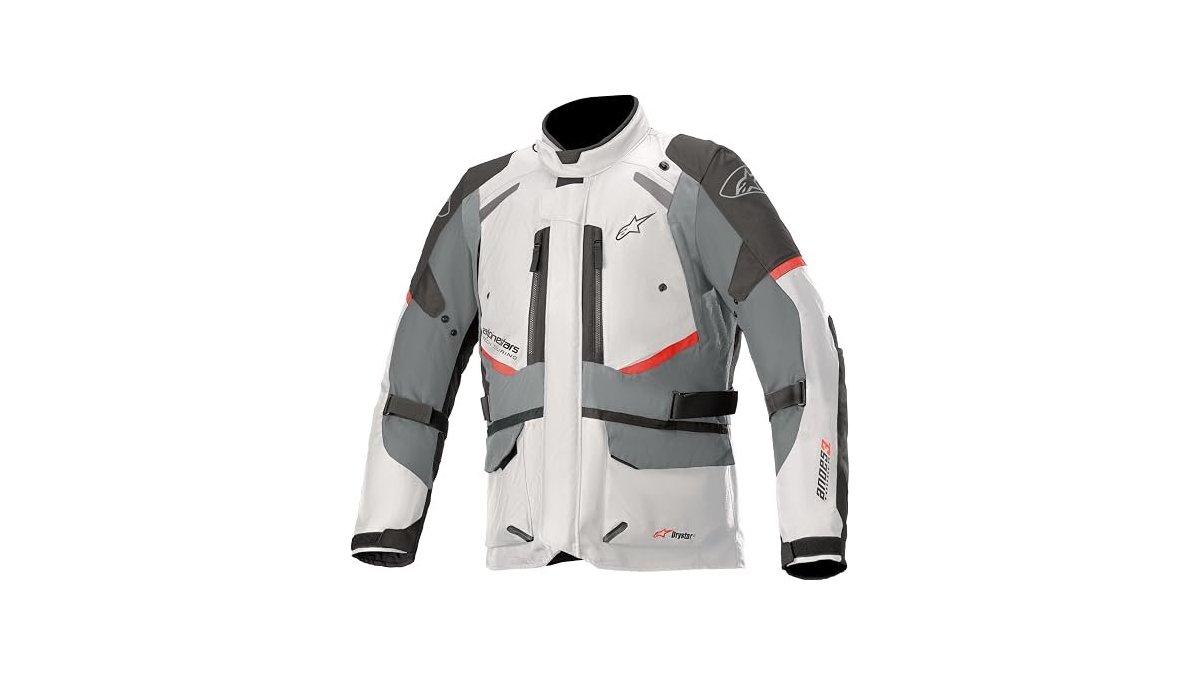
Best overall: Alpinestars Andes V3 Drystar, because it balances a waterproof membrane with a flexible ventilation system and is ready for modern airbag tech. Most rugged: KLIM Carlsbad Adventure, which uses high-end materials like GORE-TEX and Cordura to handle the most demanding, long-term adventure riding conditions. Best value: HWK Adventure Jacket, because it offers a versatile all-season design with a removable thermal liner at a point that fits many budgets.
This guide is for riders looking to match their specific climate and terrain to the right jacket features.
How We Picked
To earn a spot, each jacket had to provide clear technical specifications, such as the type of armor, fabric denier, and climate-control features. Our goal was to ensure that every recommendation is backed by the manufacturer’s own stated features, giving you a clear picture of what you’re buying for your next ride.
1. Alpinestars Andes V3 Drystar Jacket

Best for: The versatile touring rider needing all-weather reliability.
The Alpinestars Andes V3 Drystar is built for riders who face unpredictable weather. Its Drystar membrane provides 100% waterproofing while staying breathable. When the sun comes out, the Direct Ventilation System (DVS) allows you to open chest intakes and back exhaust ports to keep air moving.
If you ride in fluctuating temperatures, use the removable long-sleeve thermal liner to trap heat. Remove it once the mercury rises to prevent overheating during summer touring.
This jacket is also a great choice for those interested in high-tech safety. It’s specifically designed to work with the Tech-Air 5 airbag system, which is sold separately. It may be less ideal for riders who only want a lightweight summer jacket, as the integrated membrane and liners add some weight.
Pros
- Exclusive 100% waterproof Drystar membrane.
- Integrated Direct Ventilation System for airflow.
- Compatible with Tech-Air 5 airbag system.
Cons
- Airbag system sold separately.
- Heavier than pure mesh jackets.
2. KLIM Men’s Carlsbad Adventure Motorcycle Jacket

Best for: The serious, hard-charging adventure rider.
The KLIM Carlsbad Adventure is built to last. It uses a GORE-TEX Performance Shell and FPL400 main chassis, which is the same rugged fabric found in the premium Badlands Pro model. With 630D Cordura overlays on the elbows and shoulders, it’s designed for high abrasion resistance.
If you ride in high-heat environments, use the collar tab-back system. This opens the neckline to channel air directly across your upper chest. Without this adjustment, you may find the jacket too stifling during high-output riding.
The jacket features KLIM Rogue CE Level 2 armor for top-tier impact protection. It also includes an advanced ventilation system with dual-zip forearm vents and offset rear exhausts. It isn’t for the casual rider who wants a simple, low-profile jacket, as the focus here is on heavy-duty, long-distance performance. If your commute is short, this level of technical gear often feels unnecessarily bulky.
Pros
- Rugged GORE-TEX Performance Shell construction.
- CE Level 2 vented armor included.
- High-visibility 3M Scotchlite material used.
Cons
- Kidney belt sold separately.
- Advanced build is overkill for short commutes.
3. Tourmaster Men’s Ridgecrest Mesh Adventure Motorcycle Jacket

Best for: Riders living in hot, dry climates.
The Tourmaster Ridgecrest Mesh is designed for maximum airflow. It uses a hi-flow mesh shell with 600 denier polyester, reinforced with 1000 denier honeycomb nylon ripstop on the shoulders, elbows, and forearms. You get CE Level 2 armor in the shoulders and elbows, plus a removable EVA foam back pad, ensuring you stay protected while staying cool.
This jacket is surprisingly versatile for a mesh model. It includes a lightweight, full-sleeve Reissa breathable, waterproof zip-out liner and a separate zip-out thermal vest liner. If you face sudden rain or a drop in temperature, install both liners to create a barrier against the elements. If you’re riding in high heat, remove both to maximize the intake through the mesh shell and rear zippered expansion panels.
This isn’t the best choice for riders who primarily ride in cold, wet regions. The mesh construction is optimized for air movement rather than heat retention. In that case, you need a textile jacket with a solid outer shell.
Pros
- Excellent airflow from hi-flow mesh.
- CE Level 2 shoulder and elbow armor.
- Includes zip-out thermal and waterproof liners.
- 4-way stretch panels for a customized fit.
Cons
- Primarily designed for warm-weather use.
- Mesh requires heavy layering for extreme cold.
4. HWK Adventure Motorcycle Jacket Men with CE Armor

Best for: The rider needing all-season versatility.
The HWK Adventure Jacket is a solid choice for those who need one jacket for the whole year. It features a 600D Cordura shell and includes a detachable thermal liner. The Reissa membrane keeps wind and light rain away without trapping too much heat.
This jacket is very adjustable. You get five air-zip vents to manage airflow, and the collar is lined with soft neoprene for comfort. It isn’t designed for riders who prefer a loose, casual fit, as the manufacturer specifically states it’s cut for a snug, aerodynamic feel.
To get the right fit, use your actual chest measurement rather than your standard shirt size, keeping in mind that the armor adds a bit of bulk to the jacket’s profile. If you plan to wear a hoodie or base layer underneath, or if you fall between two sizes, always size up.
For maximum breathability, remove the thermal liner and open the full array of vents located at the shoulders, arms, and back. The internal attachment zipper allows you to connect the jacket directly to HWK pants, preventing the garment from shifting while you lean into turns.
Pros
- Durable 600D Cordura outer shell.
- Detachable thermal liner for all-season use.
- Five-zone ventilation system included.
Cons
- Requires careful sizing based on chest.
- Snug fit may feel restrictive to some.
5. REV’IT! Men’s Airwave 4 Adventure Sport Motorcycle Jacket

Best for: Sport-adventure riders who prioritize ventilation.
The REV’IT! Airwave 4 is a great hybrid for those who ride both on and off-road. It uses PWR Shell mesh panels to ensure maximum airflow, even on the hottest days. It’s also CE AA certified, which means it meets rigorous European standards for protection.
The jacket includes SEESMART armor in the elbows and shoulders. You can also customize the fit with straps on the arms and waist. This isn’t for the rider who needs an all-season jacket with heavy insulation, as this model is optimized for warm-weather comfort.
Pros
- Maximum airflow from mesh panels.
- CE AA certified protection rating.
- Highly adjustable fit system.
Cons
- Lacks heavy thermal insulation.
- Best for warm, dry weather.
6. ScorpionEXO Yosemite Men’s All Season Water Resistant Windproof Textile Adventure

Best for: Riders who need a wide range of temperature control.
The ScorpionEXO Yosemite is built for extreme versatility. It features removable thermal and waterproof liners, allowing you to change the jacket based on the day. When it gets hot, you can open the full-length arm and side torso vents for high airflow. If you’re facing a sudden storm, zip in the H2O Blok waterproof liner to stay dry.
Safety is a priority here, with 1680D nylon on the elbows and shoulders and NightViz reflective material for low-light visibility. The jacket uses reinforced Exo-Stitch safety stitching on all critical seams to prevent tearing during a slide. While the included Sas-Tec armor protects your elbows and shoulders, you must purchase the Level 2 back protector separately to achieve full impact coverage.
It isn’t for those who want a minimalist jacket, as the multiple liners and heavy-duty fabrics add significant bulk. If you prioritize packability over protection, look elsewhere. However, for those who ride through changing seasons, the adjustment straps on the forearms, biceps, waist, and wrists ensure the jacket remains secure regardless of how many layers you have installed.
Pros
- Removable thermal and waterproof liners.
- Heavy-duty 1680D nylon in key areas.
- Includes 3-year warranty.
Cons
- Bulky due to multiple liners.
- Requires manual liner removal for temperature changes.
- Back protector sold separately.
7. KLIM Men’s Dakar Dual-Sport/Off-Road Motorcycle Jacket

Best for: Off-road riders who need maximum mobility.
The KLIM Dakar Dual-Sport is a lightweight jacket built for active riding. It uses Karbonite Micromesh, which is designed to be highly breathable while remaining durable. It’s a simple, no-nonsense design that focuses on keeping you comfortable during long days on the trail.
This jacket is perfect for riders who move around a lot on their bike and want to avoid the bulk of heavy textile jackets. If you prioritize airflow and freedom of movement, this is your primary choice. However, if you ride in climates prone to sudden downpours, you must pack a separate rain shell. This jacket lacks a waterproof membrane, meaning it will soak through quickly in heavy rain.
This jacket isn’t for those who need heavy thermal insulation for cold-weather touring. It’s strictly for high-output riding where your body heat provides the warmth.
Pros
- Extremely lightweight and breathable.
- High mobility for off-road riding.
- Durable Karbonite Micromesh material.
- Moisture-wicking lining for comfort.
Cons
- Not a waterproof design.
- Lacks heavy thermal insulation.
- Requires machine washing for maintenance.
How to Choose in Sixty Seconds
Which jacket material is most important?
The material determines your safety and comfort. Look for high denier counts, like the 600D found in the HWK or Tourmaster Ridgecrest, or the 1000D honeycomb nylon used in high-wear areas. These provide superior abrasion resistance compared to lighter textiles. If you ride in the rain, a membrane like GORE-TEX or Drystar is essential for waterproofing. For hot weather, prioritize mesh panels, like the PWR-Shell mesh on the REV’IT! Airwave 4, which creates strategic ventilation zones. Always check for CE-rated armor, as the highest-rated protection provides superior impact absorption compared to standard inserts.
Do I need a removable liner?
Removable liners offer versatility for changing seasons. A thermal liner provides warmth in winter, while a waterproof liner blocks rain. However, multiple layers can feel bulky. If you live in a climate with consistent weather, you might prefer a simpler, lighter jacket without extra layers. If you ride in shifting temperatures, choose a system like the ScorpionEXO Yosemite or Tourmaster Ridgecrest, which allow you to zip out both thermal and waterproof components. This flexibility lets you adapt to a cold morning and a hot afternoon without needing a second jacket.
How should a motorcycle jacket fit?
A jacket must fit snugly to keep armor correctly positioned during a fall. Follow the manufacturer’s sizing guide specifically, using your chest measurement rather than your standard shirt size. If you plan to wear a thick hoodie or base layer underneath, you must size up to maintain mobility. Once you have the right base size, use the adjustable straps at the waist, forearms, and biceps—found on models like the ScorpionEXO or HWK—to dial in the fit.
Also Worth Considering
The ILM JRL3 Detachable Thermal Liner serves as a basic, entry-level option for riders prioritizing a simple thermal layer. For those seeking a traditional touring aesthetic, the Tourmaster Trek Adventure provides a rugged alternative. If you prioritize weight savings, the Alpinestars Cusco Drystar uses a lightweight ripstop construction that avoids the bulk of heavy-duty expedition gear.
The Alpinestars Andes V3 Drystar remains the top pick for versatile all-weather performance, while the KLIM Carlsbad Adventure is the superior choice for riders tackling the toughest trails.
Before you commit to a purchase, measure your chest rather than relying on your standard shirt size. Adventure jackets are engineered for a snug, aerodynamic fit to keep armor positioned correctly during a slide. If you plan to wear a hoodie or base layer underneath, or if your measurements fall between sizes, always size up.
Once you have confirmed your measurements, select the model that aligns with your local climate and typical riding conditions to ensure you stay comfortable for hours or weeks on the bike.
Conclusion
Finding the perfect fit is just the start of your journey. Once your new gear arrives, take it for a short ride to make sure it doesn’t restrict your movement. You’ll feel much more confident on the road when you aren’t fighting your clothes, so get out there and enjoy the open air.


