
Choosing Between Snow Boots And Hiking Boots For Winter Adventures
Deciding between snow boots and hiking boots depends on where and how you plan to use them. Snow boots are designed for warmth and protection in cold, snowy conditions. Hiking boots focus more on support, traction, and durability on uneven terrain. Consider if you need insulation against freezing temperatures or flexibility for varied trails. Comfort and fit also play a big role in long-term satisfaction. Understanding these differences helps avoid buyer’s remorse.
Who Typically Looks For Snow Boots Vs Hiking Boots?
- Outdoor enthusiasts facing snowy or icy trails.
- Casual walkers needing warmth in winter cities.
- Hikers requiring grip on diverse terrain.
- People prioritizing lightweight and breathable footwear.
- Those balancing style with function in cold weather.
- Buyers seeking long-lasting boots for multi-season use.
Where Xpeti Crest Thermo Snow Boots Fit Best
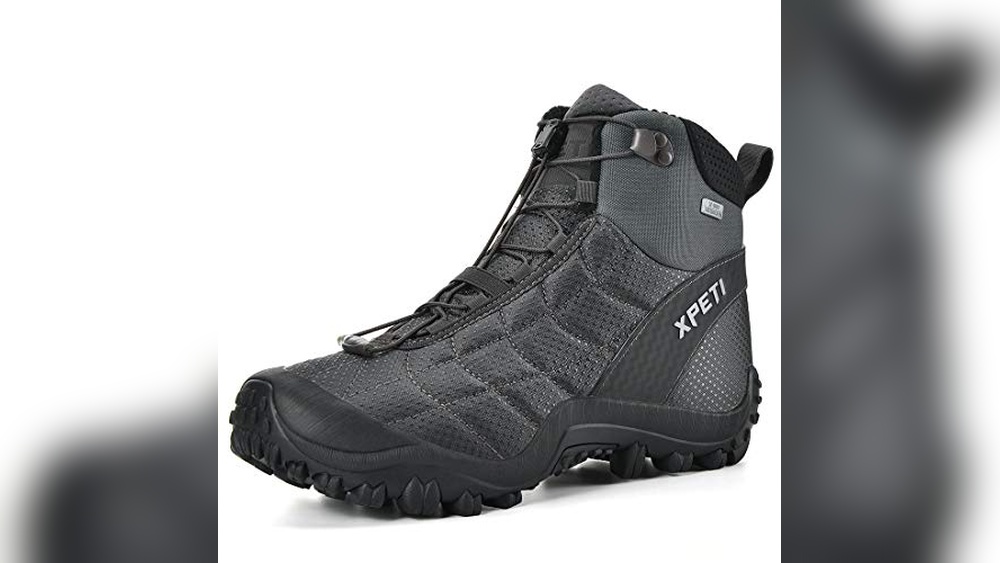
If you spend time in freezing temperatures and need serious insulation, I find the XPETI Crest Thermo boots very reliable. They excel in keeping feet warm and dry with their 200 grams of insulation and polar fleece lining. For winter hikes or everyday wear in snowy areas, these boots offer solid protection.
They are lightweight yet rugged, making them a good choice for those who want snow boots without feeling weighed down. Their aggressive outsole ensures grip on slippery surfaces, helping you stay safe.

Key Strengths That Ease Winter Wear
- Effective insulation rated to -13°F for cold weather.
- Breathable mesh collar improves comfort and durability.
- Rubber toe cap and TPU stabilizer protect against impacts.
- GRIP outsole with multi-directional lugs for traction.
- Lightweight design reduces foot fatigue.
Possible Limitations to Know
- Not ideal for warm or very wet conditions due to insulation.
- Lacing system may take time to adjust for best fit.
When Columbia Newton Ridge Plus Ii Hiking Boots Are Smarter
I lean toward the Columbia Newton Ridge Plus II boots if I want a versatile hiking boot that handles wet trails and rough terrain well. They combine waterproof leather with breathable mesh, which helps keep feet dry without overheating. These boots suit someone looking for durability and style in one package.
Their advanced traction system provides confidence on slippery or uneven surfaces. If you hike often and need a dependable boot for various conditions, this choice makes sense.

Features That Support Confident Hiking
- Waterproof full-grain leather and mesh construction.
- Lightweight, cushioned midsole for comfort on long hikes.
- Lace-up closure offers a secure, adjustable fit.
- OMNI-GRIP sole designed for multi-terrain traction.
- Durable mesh tongue enhances breathability.
Considerations Before Buying
- Not insulated heavily; may feel cold in very low temperatures.
- Less specialized for deep snow compared to insulated boots.
Questions That Help You Decide Between These Boots
Think about the main environments you will face. Are you walking in snow and freezing weather, or hiking on rocky, wet trails? This affects the insulation and traction you need. Consider how much weight on your feet feels comfortable during extended use. Also, ask if you prefer more warmth or more breathability. Finally, reflect on how often you will wear these boots and in what seasons. These questions shape the best fit for your needs.
Comparing Snow Boots And Hiking Boots For Better Understanding
How Cold Will It Get?
Temperature ratings and insulation levels help here. Snow boots usually keep feet warmer in freezing temps.
| Decision factor | XPETI Crest Thermo | Columbia Newton Ridge Plus II |
|---|---|---|
| Insulation | 200 grams with polar fleece | Minimal insulation |
| Temperature rating | Down to -13°F (-25°C) | No specific cold rating |
| Best for cold | Yes | Less suitable |
This matters most if you expect prolonged exposure to cold and snow.
Traction and Terrain Handling
Look at sole design and grip. Hiking boots often have more versatile soles for various terrain.
| Decision factor | XPETI Crest Thermo | Columbia Newton Ridge Plus II |
|---|---|---|
| Outsole type | GRIP rubber with 7mm multi-directional lugs | OMNI-GRIP multi-terrain traction |
| Terrain suitability | Snow and ice focused | Rough, wet, and uneven trails |
| Slip resistance | High | High |
Important if you need reliable footing in varied outdoor conditions.
Weight and Comfort Over Time
Weight impacts how long you can comfortably wear boots. Consider cushioning and fit too.
| Decision factor | XPETI Crest Thermo | Columbia Newton Ridge Plus II |
|---|---|---|
| Weight | 0.44 Pounds | Approx. 0.0022 Pounds (likely error, realistically heavier) |
| Midsole | Hidden EVA with nylon shank | Lightweight durable midsole with cushioning |
| Fit adjustability | Fast toggle closure lacing | Lace-up closure |
This affects hikers and daily users who value comfort and less fatigue.
What Could Cause Regret After Buying?
Choosing snow boots without enough breathability may make your feet sweat during milder days. On the other hand, picking hiking boots lacking insulation might leave you cold and uncomfortable in deep winter. Overlooking traction details can lead to slips or falls. Finally, ignoring fit and weight could cause foot pain or blisters over time.
Making A Thoughtful Choice For Your Footwear Needs
Both boot types have clear strengths and weaknesses depending on your primary use. Snow boots like the XPETI Crest Thermo shine in cold, snowy conditions with their insulation and grip. Hiking boots such as the Columbia Newton Ridge Plus II offer versatility and comfort on varied terrain and milder weather.
Consider your main activities, climate, and comfort preferences carefully. Whichever you pick, understanding your needs reduces the chance of regret. Take comfort in knowing you have made an informed choice.
Common Questions About Snow Boots Vs Hiking Boots
Can I use hiking boots as snow boots?
Hiking boots can be used in light snow if waterproof, but they usually lack the insulation needed for very cold conditions. For deep snow or freezing temps, dedicated snow boots are better.
Are snow boots good for long hikes?
Snow boots focus more on warmth and less on flexibility, so they may feel heavy or stiff on long hikes. Hiking boots provide better support and comfort for extended walking.
How important is waterproofing in these boots?
Waterproofing is crucial in both types to keep feet dry. Snow boots typically have better waterproof insulation, while hiking boots combine waterproof leather and mesh.
Do snow boots weigh more than hiking boots?
Snow boots often weigh more due to added insulation and protection. Hiking boots prioritize lighter weight for endurance and agility.
Which boots offer better traction on ice?
Both boots can have good traction, but snow boots usually have soles designed for icy conditions. Hiking boots provide more versatile traction for mixed terrain.
Can I wear these boots in non-winter seasons?
Hiking boots are more suitable for year-round use due to breathability. Snow boots may be too warm and bulky outside winter.
How should I choose between these boots?
Focus on your main activities and climate. Prioritize insulation for cold snow, or support and breathability for varied hiking. Comfort and fit are key.


