
Choosing Between Hiking And Backpacking Boots
- Choose NORTIV 8 Lightweight Hiking Boots if you need a flexible and comfortable shoe for daily hikes on varied terrain.
- Pick NORTIV 8 Waterproof Backpacking Boots when carrying heavier loads for extended trips requiring extra foot protection.
- Opt for the hiking boots if you prefer something lighter with shock-absorbent soles to reduce foot fatigue.
- Select backpacking boots if waterproofing and toe protection are priorities for rugged and wet conditions.
- Consider the hiking boots for casual outdoor activities and moderate trails.
- Go for backpacking boots when stability and durability are more important than weight.
How These Boots Perform In Everyday Outdoor Use
I found the NORTIV 8 Lightweight Hiking Boots easy to wear for daily walks and short hikes. The cushioning and flexibility kept my feet comfortable without feeling weighed down. Their slip-resistant soles helped on slippery paths during wet weather.
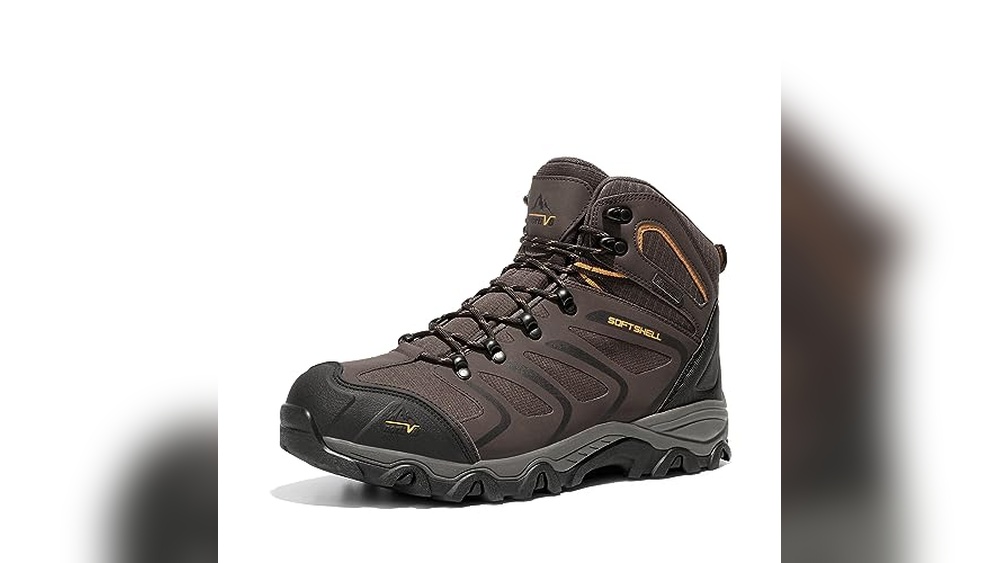
The NORTIV 8 Waterproof Backpacking Boots were my choice for longer trips or when carrying a backpack with gear. They offered good protection around the toes and heels, and the waterproof build helped keep my feet dry in muddy conditions. These boots felt sturdier but a bit heavier than the hiking boots.
Quick Look At Nortiv 8 Lightweight Hiking Boots

Where the Lightweight Hiking Boots Work Well
- Daily hiking on moderate trails.
- Wet or slippery terrain due to slip-resistant soles.
- Comfort for all-day wear with cushioned insoles.
- Lightweight support for agile movement.
Where These Hiking Boots Might Struggle
- Less protection for heavy loads or rough terrain.
- Not as reinforced for toe and heel protection.
Overview Of Nortiv 8 Waterproof Backpacking Boots

Where the Waterproof Backpacking Boots Excel
- Longer backpacking trips with heavy gear.
- Wet and muddy conditions thanks to waterproof construction.
- Strong toe and heel protection for rough terrain.
- Durable suede leather for wear resistance.
Where These Backpacking Boots May Fall Short
- Heavier weight may cause more fatigue on short hikes.
- Less flexible compared to lighter hiking boots.
Comparing Hiking Boots And Backpacking Boots For Practical Use
In daily use, I compared fit, protection, and comfort between the two boots. I looked at how each performed on wet trails and under different loads. The comparison focused on real-world walking, support, and durability.
How Comfortable Are They for Long Walks?
Comfort is key for any outdoor boot. Both boots offer cushioning, but their design affects foot fatigue differently.
| Aspect | NORTIV 8 Lightweight Hiking Boots | NORTIV 8 Waterproof Backpacking Boots |
|---|---|---|
| Insole cushioning | Removable and shock-absorbent | Flexible and shock-absorbent |
| Weight impact | Lighter, reduces fatigue | Heavier, more support |
| Flexibility | More flexible for agility | Stiffer for protection |
| Long-term comfort | Good for moderate hikes | Better for heavy loads |
Ratings: NORTIV 8 Lightweight Hiking Boots – 8/10 | NORTIV 8 Waterproof Backpacking Boots – 7/10
Edge: Lightweight hiking boots suit those prioritizing comfort over long distances on moderate terrain.
Which Boots Offer Better Traction and Stability?
Traction is essential on slippery or uneven surfaces. Both boots use rubber soles but with different focuses.
| Aspect | NORTIV 8 Lightweight Hiking Boots | NORTIV 8 Waterproof Backpacking Boots |
|---|---|---|
| Sole design | High-quality rubber, slip-proof | Rugged rubber outsole with multi-directional traction |
| Grip on wet surfaces | Reliable and firm | Enhanced for challenging terrain |
| Stability | Good for light to moderate trails | Strong support for heavy loads |
| Durability of outsole | Durable but lighter use | Suited for rugged wear |
Ratings: NORTIV 8 Lightweight Hiking Boots – 7/10 | NORTIV 8 Waterproof Backpacking Boots – 8/10
Edge: Waterproof backpacking boots fit better for rugged terrain requiring strong stability.
How Effective Is the Protection Around the Feet?
Protection matters when walking on rocky or rough ground. These boots have different protective features.
| Aspect | NORTIV 8 Lightweight Hiking Boots | NORTIV 8 Waterproof Backpacking Boots |
|---|---|---|
| Toe protection | Standard design | Rubber toe cap for injury prevention |
| Heel support | Basic | Reinforced heel for stability |
| Water resistance | Waterproof but lighter membrane | Waterproof membrane with durable suede leather |
| Material durability | Lightweight materials | Soft suede leather for wear resistance |
Ratings: NORTIV 8 Lightweight Hiking Boots – 7/10 | NORTIV 8 Waterproof Backpacking Boots – 8/10
Edge: Backpacking boots provide better protection in tough conditions.
How Versatile Are These Boots for Various Activities?
Versatility helps if you need boots for more than hiking. Both boots cover many outdoor uses.
| Aspect | NORTIV 8 Lightweight Hiking Boots | NORTIV 8 Waterproof Backpacking Boots |
|---|---|---|
| Suitable activities | Hiking, camping, running, cycling | Backpacking, mountaineering, trekking |
| Indoor use | Comfortable for casual wear | Also designed for indoor wear |
| Weight carrying | Light loads | Heavy loads |
| Seasonal use | All seasons | All seasons with wet conditions |
| Travel suitability | Light and easy to pack | Better for extended trips |
Ratings: NORTIV 8 Lightweight Hiking Boots – 8/10 | NORTIV 8 Waterproof Backpacking Boots – 7/10
Edge: Hiking boots offer more versatility for varied outdoor activities.
Long-term Use And Reliability Of Hiking Vs Backpacking Boots
Both types require some break-in time to get used to the fit and feel. The hiking boots are easier to adapt to quickly due to their lighter build. Consistent use builds trust in their comfort and traction for shorter hikes.
Backpacking boots take longer to break in but reward you with lasting support and protection. Their sturdier design offers peace of mind on challenging hikes with heavy packs. Over time, they prove reliable for serious outdoor use.
Choosing The Right Outdoor Boots Based On Your Needs
Choose the NORTIV 8 Lightweight Hiking Boots if you want comfort and flexibility for day hikes and casual outdoor activities. They reduce foot fatigue and work well on wet or slippery paths, making them a practical choice for moderate terrain.
Opt for the NORTIV 8 Waterproof Backpacking Boots if your adventures involve carrying heavy gear or facing rough, wet conditions. Their reinforced protection and durable materials help maintain stability and keep your feet dry on longer trips.
Both boots serve their purpose well, making your choice depend on your typical outdoor demands and load requirements.
Common Questions On Hiking Boots Vs Backpacking Boots
Can I use hiking boots for backpacking trips?
Hiking boots can be used for short backpacking trips if the load is light. However, they may lack the protection and support needed for heavier gear and rough terrain.
Are backpacking boots too heavy for casual hikes?
Backpacking boots tend to be heavier and less flexible, which can cause fatigue on casual hikes. They are designed for stability and protection during long trips with heavy packs.
How important is waterproofing in these boots?
Waterproofing helps keep feet dry in wet conditions. Backpacking boots often have more robust waterproof membranes and materials, suitable for muddy or rainy environments.
Do hiking boots offer enough protection on rocky trails?
Hiking boots provide basic protection and grip for moderate rocky paths. For more challenging terrain, backpacking boots offer reinforced toe caps and heel support.
Which boots are easier to break in?
Hiking boots are generally easier and quicker to break in due to their lighter and more flexible design. Backpacking boots require more time but offer greater long-term support.
Can I wear these boots indoors?
Both types can be worn indoors, but hiking boots tend to be more comfortable for casual wear. Backpacking boots are bulkier and designed mainly for outdoor use.
How do the soles differ between the two?
Hiking boots have slip-resistant rubber soles for moderate traction. Backpacking boots feature rugged outsoles with multi-directional traction for better grip on varied terrain.


